
How to Introduce World Cultures to Toddlers and Young Kids at Home
Simple, screen-free ways to start building cultural awareness before formal geography lessons even begin.
Wed Aug 26 2026Geography tricks, printable extras, and ways to turn coloring time into a conversation — all tied back to the "Children of the World" and other kids' series.
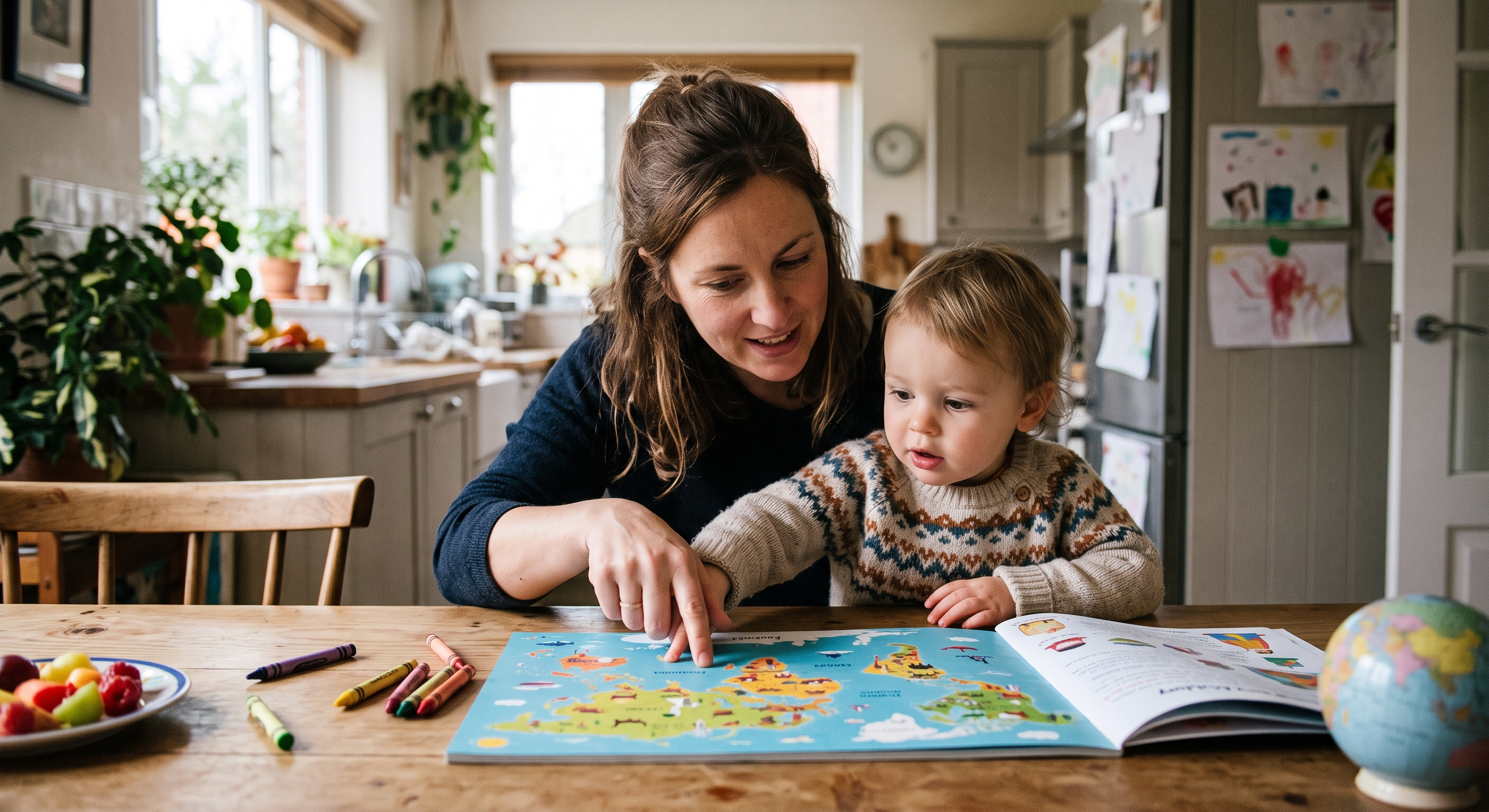
Simple, screen-free ways to start building cultural awareness before formal geography lessons even begin.
Wed Aug 26 2026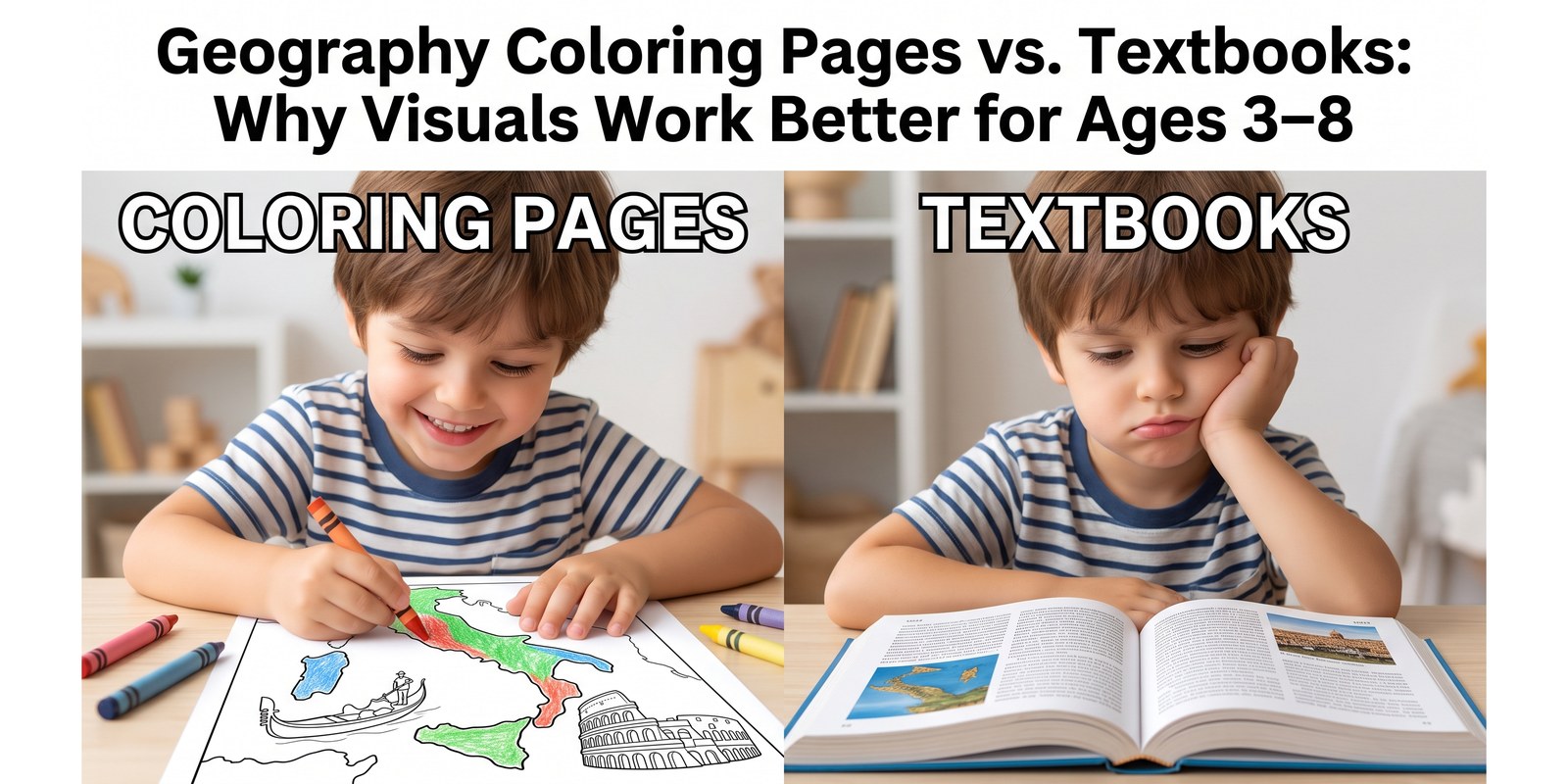
A side-by-side look at why motor-engaged coloring anchors memory of foreign places better than passive reading.
Tue Aug 25 2026Straight lines and small details make flag pages a built-in kindergarten-readiness drill.
Coming soonMeet the series for Little Explorers: 5 volumes, 84+ countries, color-keyed flags, landmarks, and nature. Smart, engaging geography learning for kids.
Tue Aug 25 2026Five continents, five concrete snapshots — turning an abstract idea of "the world" into scenes a child can point to.
Coming soonPairing official flag colors with regional maps builds early spatial reasoning.
Coming soonEvery national flag's colors and symbols were chosen on purpose by the country itself — turning a coloring page into a real history lesson.
Coming soonArchitecture is the most accessible visual bridge for children to grasp how places differ around the globe.
Coming soonFraming five volumes as five "stops" on a trip gives structure to what could otherwise feel like a random stack of pages.
Coming soonGlobal awareness is built through small, repeatable habits — not a single big lesson.
Coming soon